
The Rise of Flexible Remote Jobs: Why the Future of Work Is Changing
✨ Key Points
- Flexible remote jobs are becoming the new standard, driven by digital growth and changing workforce expectations.
- Professionals now prioritize freedom and work-life balance over traditional office structure.
- Businesses embracing remote work attract better talent and improve productivity.
In today’s evolving economy, the job market is rapidly shifting from traditional office roles to more flexible remote jobs that better align with modern lifestyles and career expectations.
Driven by digital transformation and changing workforce priorities, professionals are no longer just looking for stability, they’re seeking freedom, balance, and meaningful work.
According to insights from McKinsey & Company and Gallup, this shift is backed by strong data:
- Over 70% of employees prefer flexible or remote work options;
- Remote roles increase productivity and job satisfaction;
- Companies offering flexibility attract better and more diverse talent.
Industry voices are also reinforcing this transformation.
Entrepreneurs like Gary Vaynerchuk emphasize adapting to digital-first opportunities and the rise of remote work culture, while Sophia Amoruso advocates for building careers around independence and flexibility.
Public figures such as Pamela Anderson have also highlighted the importance of prioritizing personal freedom and work-life balance in today’s fast-paced world.
As a result, flexible remote jobs are no longer just an alternative, they offer clear, tangible benefits:
- More control over your time and schedule
- Better work-life balance and personal freedom
- Increased productivity in a comfortable environment
Platforms like Jobgether are helping accelerate this shift by connecting job seekers with remote opportunities, making it easier for both professionals and companies to adapt to this new way of working.
Global Trend Towards Flexible Remote Jobs
Flexible remote jobs are becoming more popular all around the world as more people look for better work-life balance and freedom.
Recent research shows that 87% of people feel remote work improves their work-life balance, and studies from Gallup show that many employees now work remotely or in hybrid roles.
Another report from AT&T predicts that hybrid work could reach 81% by 2026.
This isn’t just happening in one country—it’s a global shift. Companies are seeing benefits like lower costs and higher productivity, while employees enjoy more flexibility and control over their time.
Because of this, many people are now choosing lifestyle options like the chance to move to Australia for remote work.
It’s a great way to combine a career with a better quality of life, thanks to modern cities, good infrastructure, and a relaxed lifestyle.
Here’s why flexible remote work is growing so fast:
- Better work-life balance and more personal time;
- Freedom to work from anywhere;
- Access to global job opportunities;
- Higher productivity and job satisfaction;
- Opportunity to live in places like Australia while working remotely.
Overall, flexible remote work is changing how people live and work making careers more flexible, enjoyable, and balanced.
Employees’ and Employers’ Perspectives on Flexible Work
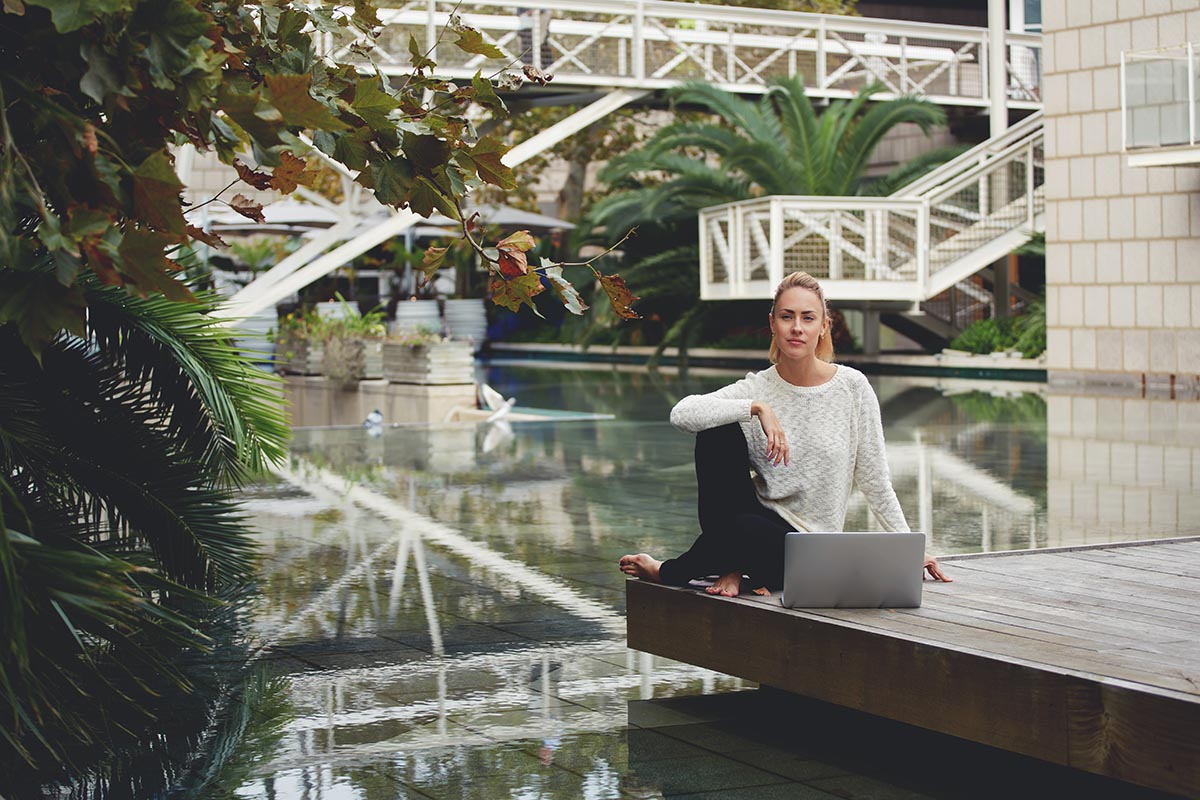
There is still a noticeable gap between how employees and employers view flexible work.
Research shows that employees strongly prefer flexible work options.
Many value the ability to work from anywhere, manage their own schedules, and enjoy a better work-life balance.
This flexibility allows them to feel more in control of both their professional and personal lives.
On the other hand, some employers still lean toward traditional office setups and may be hesitant to fully adopt remote work.
Their concerns often include maintaining productivity, communication, and team collaboration.
However, data suggests that these concerns are gradually being challenged.
Studies indicate that employees often become more productive when working remotely, with increases in:
- Hours worked and task completion
- Efficiency due to fewer workplace distractions
- Focus and deep work time
- Overall job satisfaction and engagement
These improvements are largely driven by better work-life balance and the ability to create a personalized work environment.
As both perspectives continue to evolve, flexible work is becoming less of a debate and more of a long-term shift in how work gets done.
Benefits of Flexible Remote Jobs
The shift toward flexible remote jobs has created significant advantages for employees, making work more adaptable, efficient, and aligned with modern lifestyles. Here are some of the key benefits:
- Better work-life balance.
Flexible remote jobs allow employees to manage their schedules more effectively. With greater control over their time, they can balance work responsibilities with personal life, leading to reduced stress and improved overall well-being. - Freedom to work from anywhere.
Employees are no longer limited by location. Whether it’s working from home, a café, or even choosing to move to a new country, remote work opens up global opportunities and lifestyle flexibility. - Increased productivity.
Many employees perform better in a comfortable and familiar environment. With fewer office distractions and more control over their workspace, remote workers often achieve higher focus and efficiency. - Higher job satisfaction.
When people can work in a way that suits their preferences and lifestyle, they tend to feel more motivated and satisfied with their jobs, which also improves long-term performance. - Greater inclusivity and diversity.
Remote work removes geographical and physical barriers, creating more opportunities for people from different backgrounds. This leads to a more diverse and inclusive workforce, benefiting both employees and employers.
Overall, flexible remote jobs offer more than just convenience, they provide a new way of working that supports freedom, productivity, and personal growth.
As more companies adopt this model, both employees and employers can benefit from a more flexible, balanced, and future-ready work environment.
Jobgether: Matching Jobseekers with Flexible Remote Jobs

In summary, the shift toward flexible remote jobs is not just about changing where we work, it’s about creating a way of working that truly fits our lives.
While there may still be differences between employees’ and employers’ perspectives, the real key is understanding yourself, what environment you thrive in, how you stay productive, and what kind of lifestyle you want to build.
When you align your work with your personal needs, everything becomes more effective and meaningful:
- You gain more control over your time and daily routine;
- You create a better balance between work and personal life;
- You become more productive by working in a way that suits you;
- You reduce stress and avoid burnout long-term;
- You open up opportunities to design a lifestyle you actually enjoy.
As more companies adapt and platforms like Jobgether continue to support this shift, the future of work becomes not just more flexible—but more personal, sustainable, and aligned with who you are.