Travel China Guide
✨Key Points
- One of the world’s most iconic landmarks. The Great Wall stretches over 8,800 km across northern China and is widely considered one of the most famous historical structures globally.
- Built and rebuilt over centuries. Construction began in the 3rd century BCE, with multiple dynasties expanding and restoring it for defense purposes.
- Major cultural and tourist attraction. A UNESCO World Heritage Site since 1987, it is one of the most visited destinations in China and symbolizes the country’s history and resilience.
China is a vast and visually striking country, known for its combination of natural landscapes and human-made landmarks.
From dramatic mountain ranges to historic architectural achievements, there is no shortage of places worth visiting.
For first-time visitors especially, the challenge is not whether there is something to see, but where to start.
Based on widely recognized travel sources such as Travel China Guide, certain destinations consistently stand out as must-visit locations during any trip to China.
To make this more practical, I’ve selected nine of the most impressive and representative attractions across the country.
These are not random picks, they reflect different aspects of China’s identity, including nature, history, religion, and modern development.
In this selection, you will find:
- Natural landmarks that showcase China’s geographic diversity;
- Imperial sites and historical structures, including palaces and ancient formations;
- Sacred and cultural locations with deep spiritual significance;
- Modern engineering achievements that highlight contemporary China.
We’ll begin with China’s natural attractions, which offer some of the most memorable and visually distinctive experiences in the country.
What to see in China?
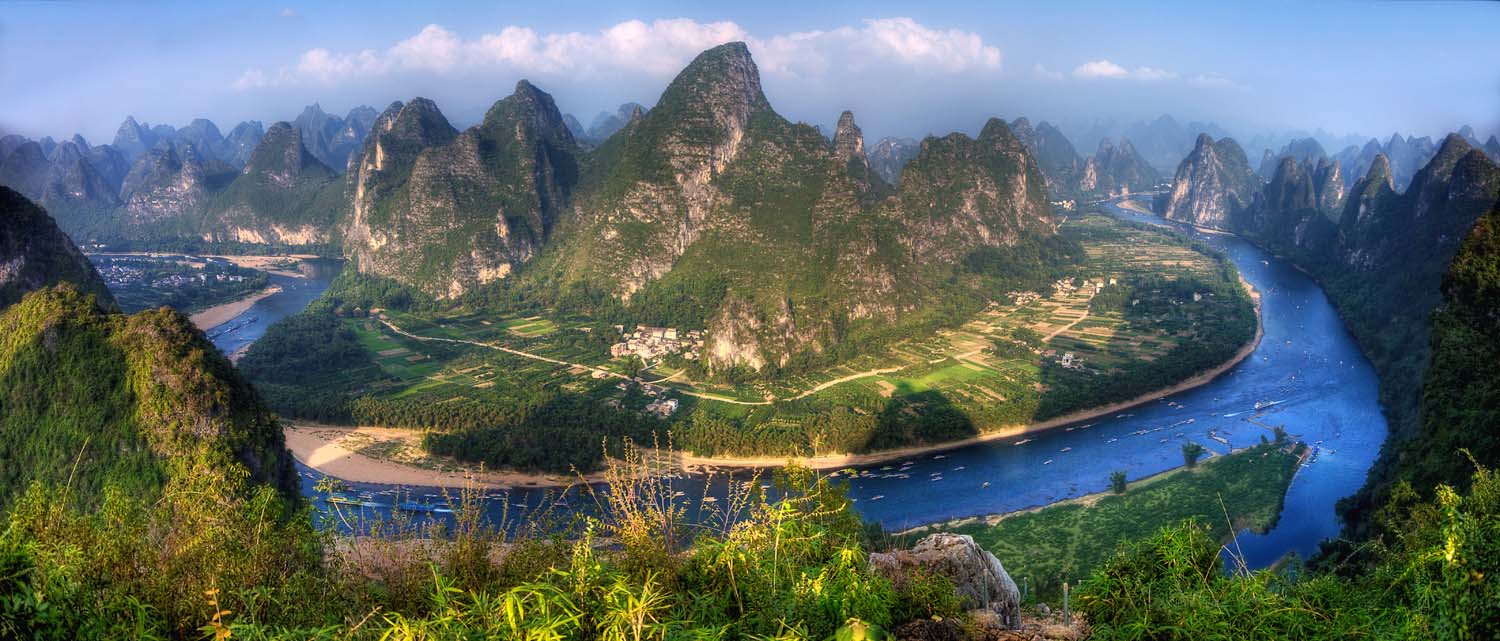
Li River
Unfortunately, only a limited number of rivers in China remain relatively unpolluted today.
This is, to some extent, the cost of rapid economic development. Still, there are areas that have remained largely untouched by heavy industrialization.
While discussions about China’s most important rivers often focus on the Yellow River and the Yangtze because of their historical and economic significance, China is also home to smaller rivers that stand out for their natural beauty.
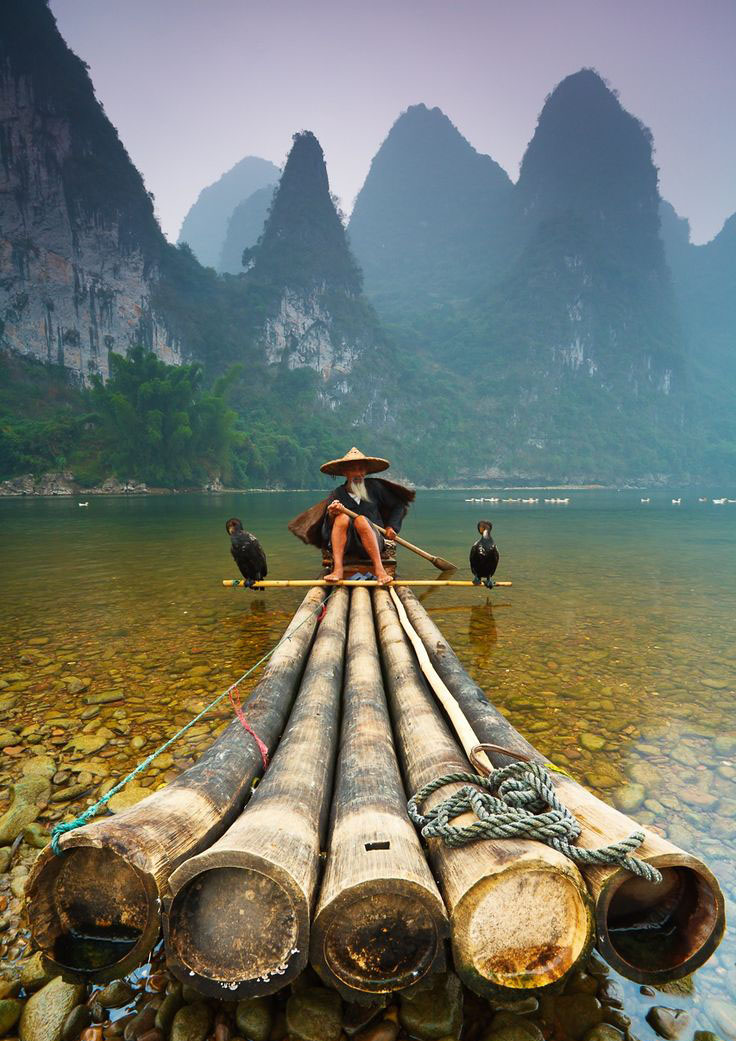
One of the most picturesque is the Li River.
It winds through dramatic karst hills, traditional fishing villages, and lush rice fields, offering some of the most iconic scenery in the country.
The cruise route from Guilin to Yangshuo is especially popular, as it provides an accessible and visually striking way to experience this landscape.
Huangshan Mountains
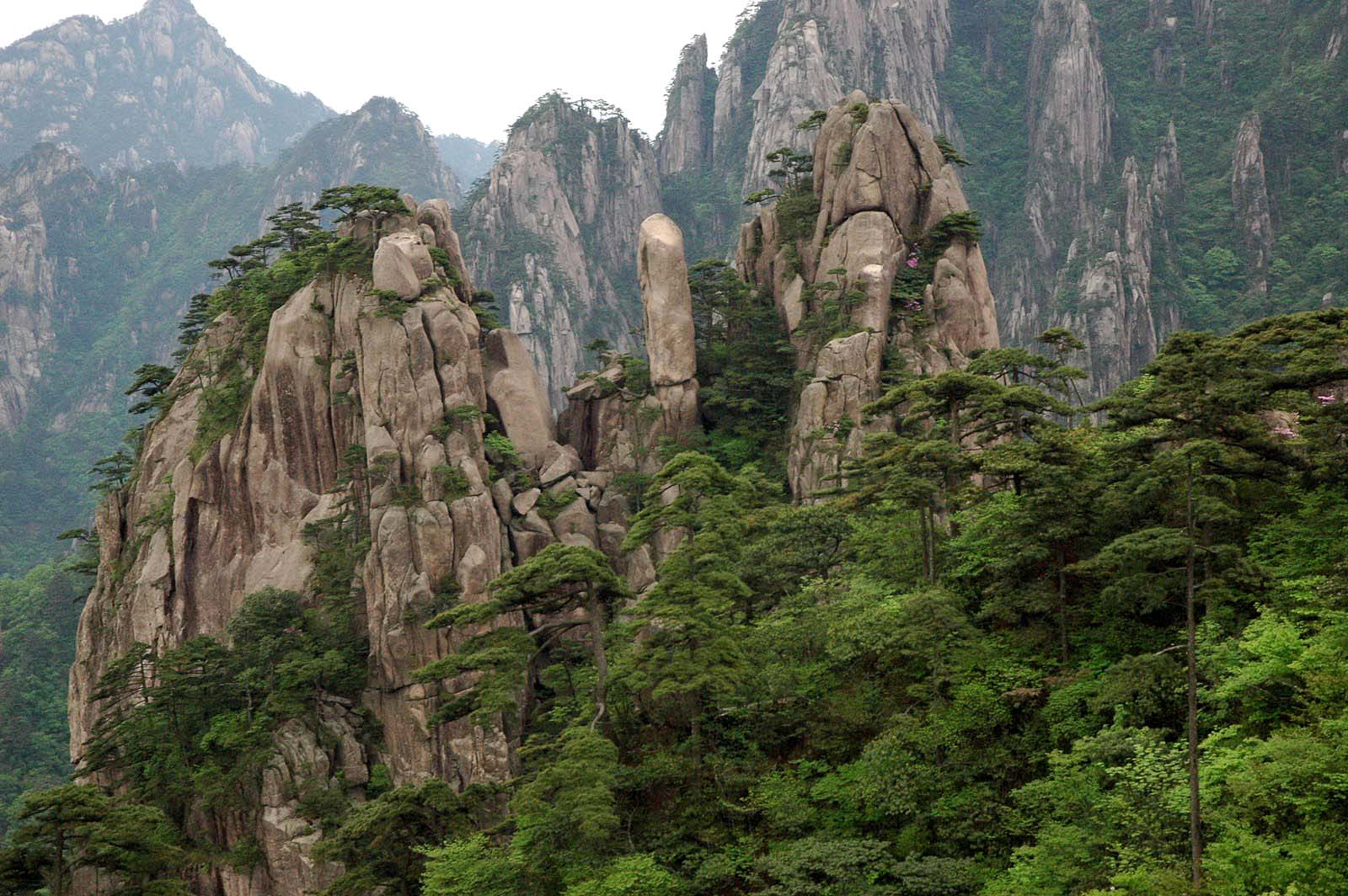
In contrast to many rivers affected by modern development, China’s mountains have remained largely unchanged for thousands of years.
Their landscapes continue to reflect the same natural beauty that has inspired poets, painters, and travelers for centuries.
One of the most remarkable examples is the Huangshan Mountains, often translated as the “Yellow Mountains.”
Known for their distinctive granite peaks, these mountains are famous for their dramatic scenery twisted pine trees growing from steep cliffs, shifting clouds that wrap around the summits, and changing light that creates striking visual effects throughout the day.
In addition to its natural beauty, Huangshan also features notable manmade elements. One of the most famous is the Bridge of Immortals, a narrow stone bridge set high among the peaks.
Reaching it can be an experience in itself
. Visitors can either follow a historic mountain path with tens of thousands of carved steps or take a modern ropeway for a more accessible ascent.
Potala Palace
Forbidden City
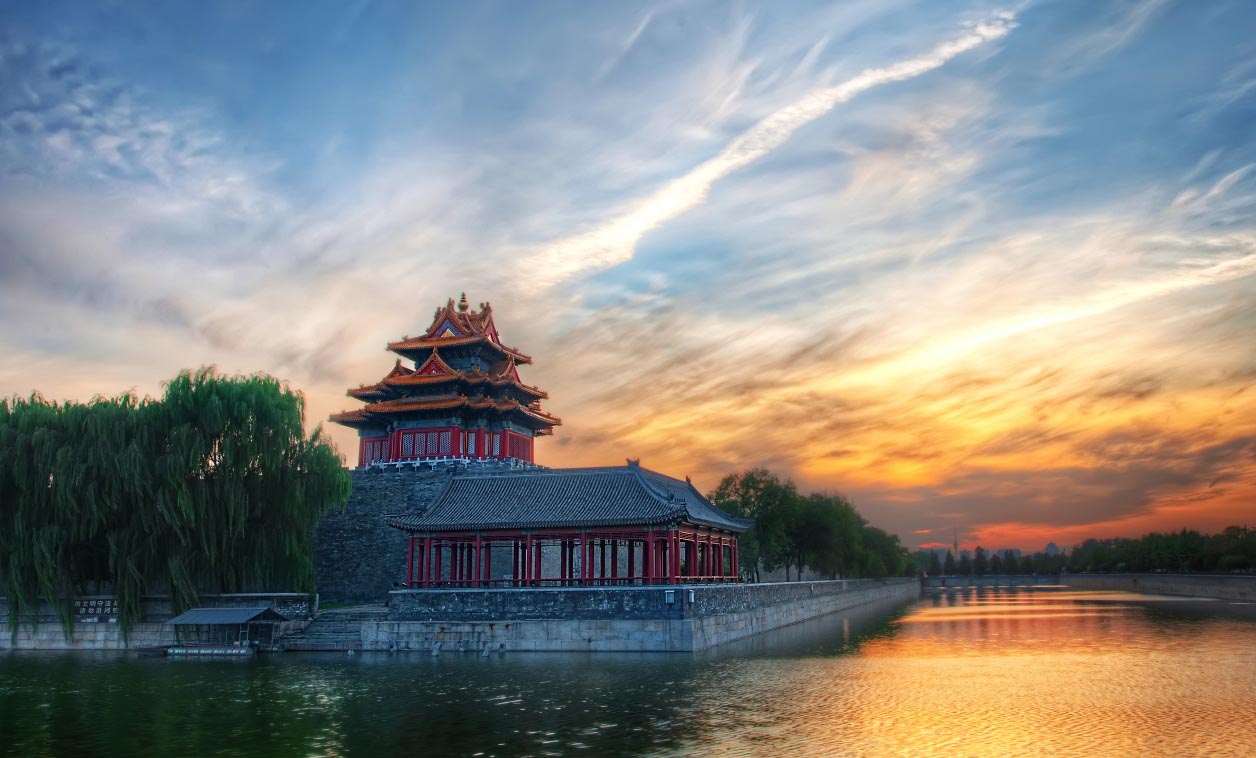
The Forbidden City, also known as the Forbidden Palace, is one of the largest and most historically significant palace complexes in the world.
Covering more than 72 hectares, it served as the political and ceremonial center of China for nearly 500 years.
From the early 15th century until the fall of the imperial system, a total of 24 emperors ruled China from this complex.
Today, it has been transformed into a museum and remains one of the most visited cultural sites in the country.
The Forbidden City is not a single building but a vast architectural complex made up of hundreds of halls, courtyards, and ceremonial spaces.
Its layout, design, and symbolism reflect key principles of traditional Chinese culture, including hierarchy, balance, and imperial authority.
Located in the heart of Beijing, it sits directly north of Tiananmen Square and opposite the Mausoleum of Mao Zedong.
If you plan to visit, timing matters.
Arriving early in the morning is highly recommended, as the site becomes crowded quickly and queues can grow long later in the day.
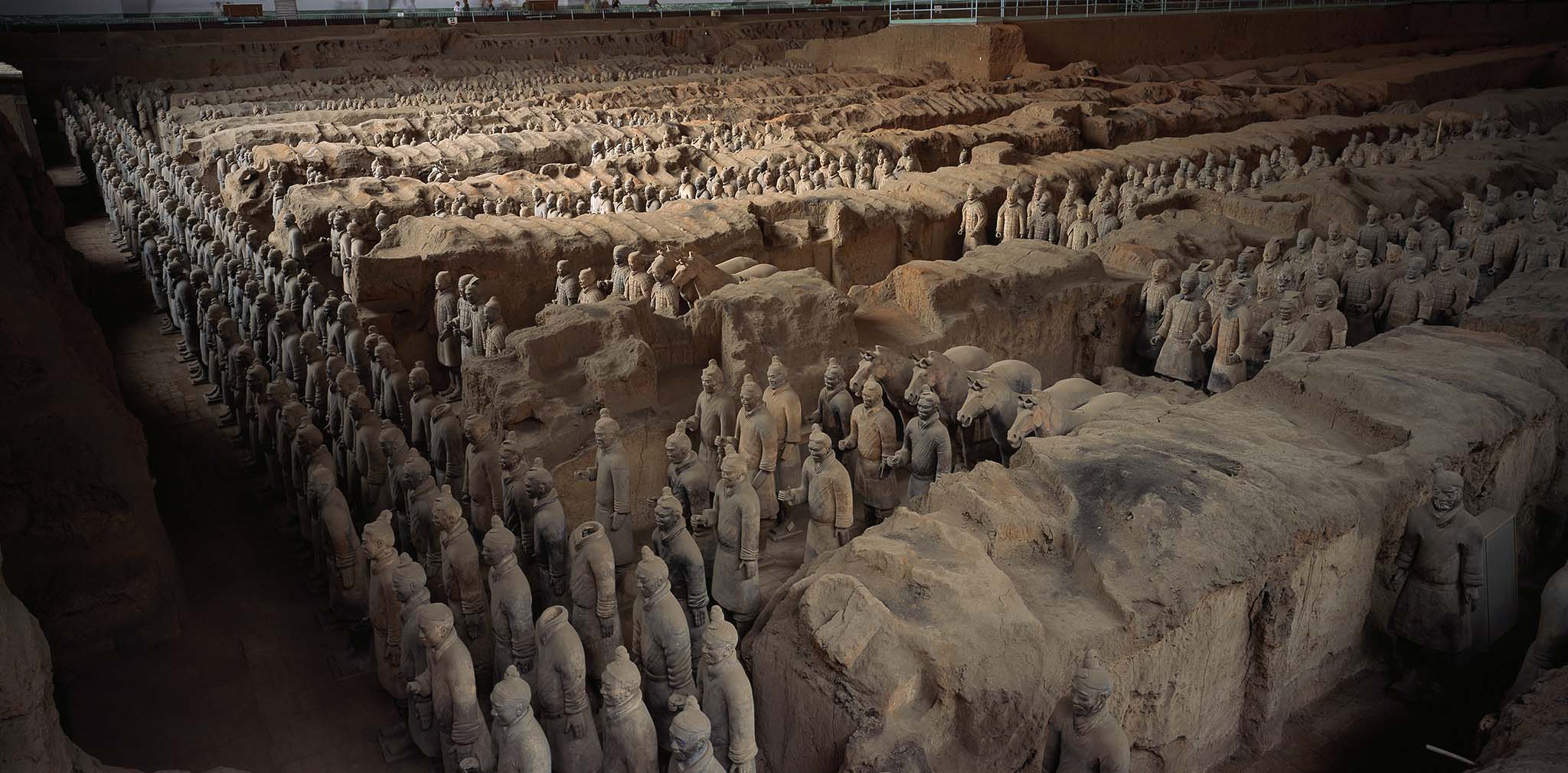
The Terracotta Army
The Mogao Caves
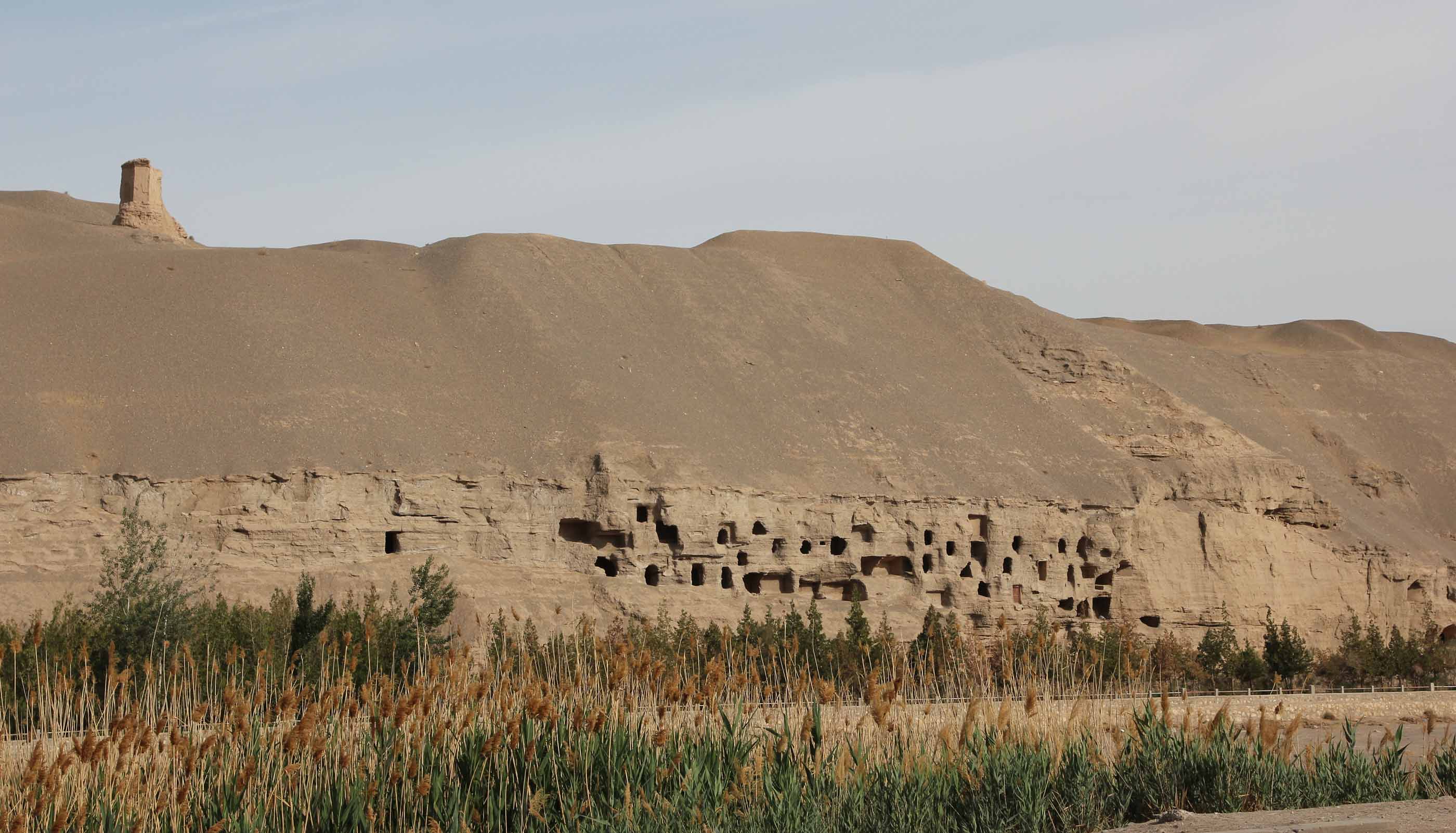
In fact, the name Mogao Caves is often interpreted in different ways, but the site itself is far more significant than its literal translation suggests.
The Mogao Caves form a vast sanctuary complex made up of 492 cave temples and are considered one of the earliest and most important Buddhist sites in China.
Located about 25 kilometers from Dunhuang, this complex is especially renowned for its extraordinary frescoes.
The total painted area reaches around 42,000 square meters, covering cave walls with detailed depictions of Buddhist stories, daily life, and historical scenes.
Another remarkable aspect of the Mogao Caves is the timespan of their construction.
The site was developed over nearly a thousand years, from the 4th to the 14th century, reflecting the evolution of art, religion, and cultural exchange along the ancient Silk Road.
The Giant Buddha of Leshan
As the name suggests, this is one of the most impressive large-scale attractions in China.
The Giant Buddha, located near Leshan City, is one of the largest stone Buddha statues in the world, standing at approximately 71 meters tall.
Its height is not accidental.
In traditional Chinese measurements, 71 meters corresponds to symbolic numerical systems, often associated with completeness and harmony—concepts that are deeply rooted in Chinese philosophy and spirituality.
What makes this statue truly unique is how it was created.
Instead of being built, it was carved directly into a cliff face at the meeting point of three rivers.
This not only required remarkable engineering skill but also reflects the close relationship between religion and nature in Chinese culture.
Historically, the statue was partially sheltered by a wooden structure, but after it was destroyed by fire, the full figure of the Buddha became visible.
Today, visitors can clearly see its massive scale and intricate details, making it one of the most memorable landmarks in China.
Great Wall of China
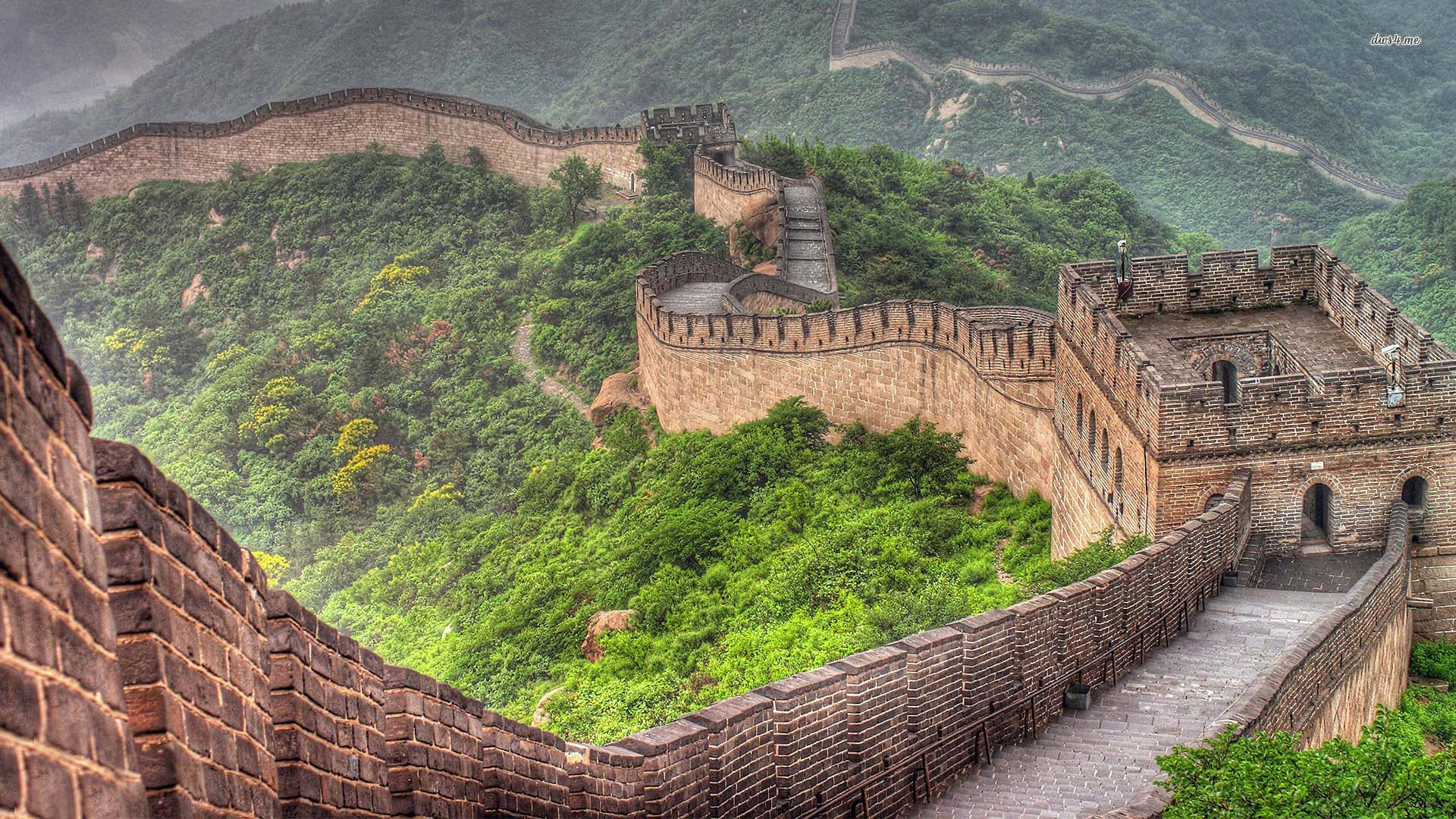
The Great Wall of China is often referred to as the “eighth wonder of the world,” and for many travelers, it ranks as the number one attraction to visit.
Any reliable China travel guide places it at the top, and for good reason.
This is one of the most recognizable landmarks on Earth.
Even people with little knowledge of China are familiar with the Wall.
Stretching over 8,800 kilometers across northern
China, its construction began as early as the 3rd century BCE and continued across multiple dynasties.
Throughout history, different dynasties built, reinforced, and restored sections of the Wall to defend against invasions. What we see today is the result of centuries of construction and reconstruction.
In 1987, it was designated a UNESCO World Heritage Site and remains one of the most visited attractions in China.
There is also a well-known myth that the Great Wall is visible from space.
In reality, this claim is debated.
While it can be seen in satellite images, it is not easily visible to the naked eye from space.
Visiting the Great Wall is a memorable experience, not just because of its scale, but because of what it represents history, resilience, and human ambition.
As one of China’s most iconic landmarks, it continues to attract millions of visitors from around the world.